
Go beyond bell-to-bell.
Create a campus culture of intentional technology use by empowering your students.
- Live events
- Science-backed tools
- Student-led culture change
Today's teens need more than tech policies.
Phone policies reduce distractions, but they don't build the intentional tech habits students need. Project Reboot gives your community the education, resources, and culture change to make intentional technology use the norm.
high school students say they're addicted to technology.
Why Project Reboot?
Born at UC Berkeley
Our program was developed in collaboration with the Mind, Machine, and Meaning course (MMM) at UC Berkeley. Taught by cognitive neuroscientist Dr. Sahar Yousef, MMM is a living, breathing experiment in tech intentionality education. In the Spring 2026 semester, MMM's 450 students experienced:
 The #1 public university in the world
Built by Gen Z
Our curriculum, materials, and culture change initiatives have been carefully designed by members of Gen Z, including our network of 200+ student ambassadors. We speak to your students in a language they understand.
Our students appreciated how relatable Dino was, and I was not prepared for how engaged our students would be as they took in the gravity of their tech use challenges.

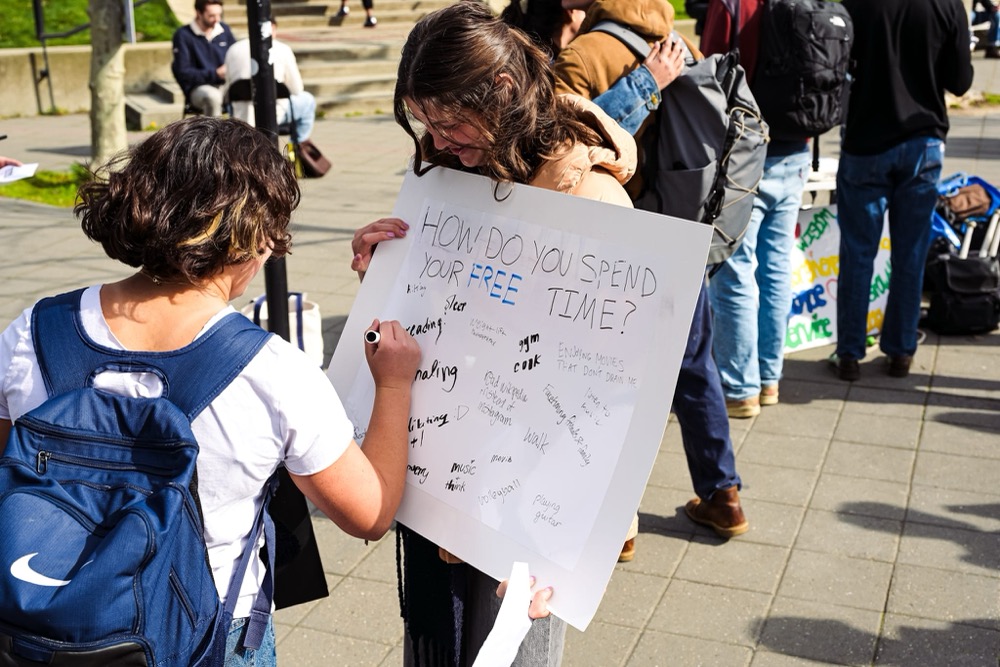 Our student ambassadors on campus
Trusted by global leaders
in education
We've served over 100,000 students and parents around the globe by partnering with over 80 schools, including:
 Phillips Exeter Academy
 Institut Le Rosey
 Menlo School
 Crystal Springs
 Ransom Everglades
 Chicago Public Schools
 Marin Academy
 Polytechnic School
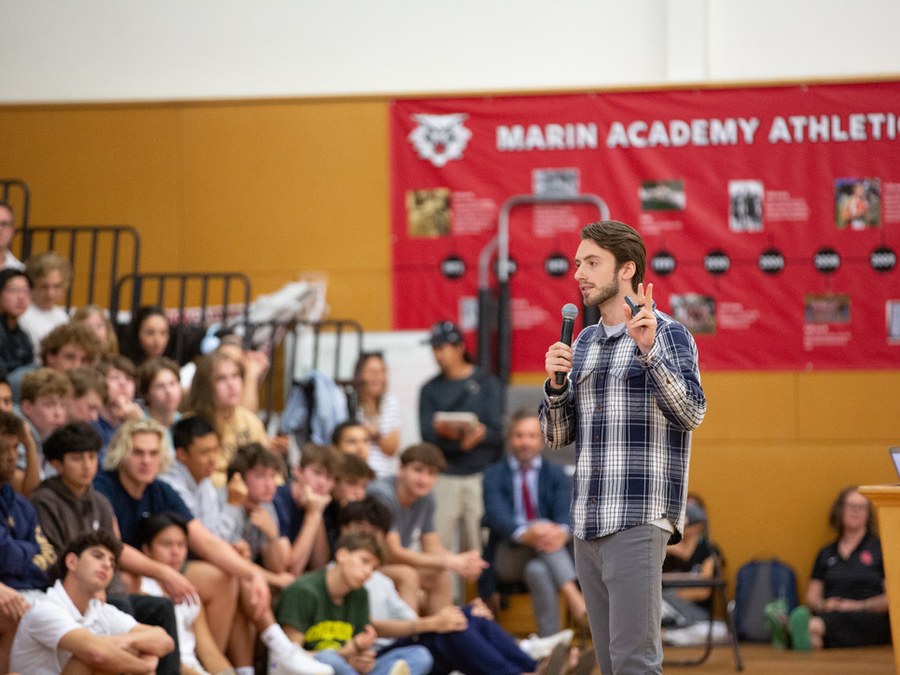 An assembly at Marin Academy
Our three-step approach to lasting change.
Project Reboot implements a comprehensive program that aligns students, teachers, and parents in building healthy relationships with technology.
01
Inspirewith the Project Reboot Keynote
Student Assemblies · Parent Presentations · Staff Workshops
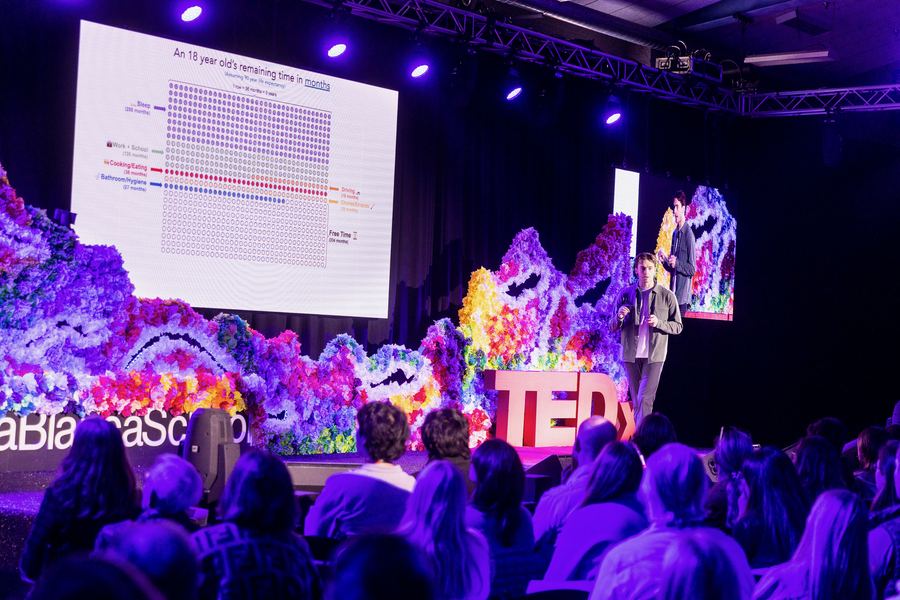
The program kicks off with live keynotes delivered by Gen Z advocates who connect with students and parents alike.
- How your daily screen time scales over a lifetime
- Why technology addiction starts when screens become an escape from discomfort
- Screen time's impact on how you think, how you feel, and what you believe
- Why it's critical to use AI as a thinking partner, not a thinking substitute
- Different ways to redirect the time we spend on our devices, and the benefits that come from doing so
- Why our generation often has to pick between being chronically online and socially isolated, and how we can create a new norm
- The three cornerstones of intentional free time: Connection, Reflection, and Play
- Approachable methods for responding to stress, boredom, and anxiety
“Kids were engaged and actually, meaningfully, made changes as a result of Dino’s presentation.”

Head-Royce School
Students don't just sit and listen. The keynote is built around moments where they respond, reflect, and talk it through with the people next to them.
Free Clearspace Premium with the Project Reboot Challenge built in, so motivation turns into practice the next morning.
See the resources ↓30-45 minute advisory activities with discussion guides and slideshows that keep the conversation going.
See the curriculum ↓Join the Ambassador Network or start a Project Reboot club, with playbooks and support from our team.
See student leadership ↓
After developing and overcoming a tech addiction while studying data science at UC Berkeley, Dino created INFO 98: Becoming Tech Intentional, a popular course that helped hundreds of Berkeley students reduce their screen time by an average of 3.5 hours per day. Since graduating, he has delivered over 300 keynotes to 100,000+ students and parents around the world. His viral TEDx talk, The Battle for Your Time, has been viewed nearly 4 million times.

Dawson leads a national network of 15 college and 20 high school clubs. A senior at UC Berkeley, he currently teaches INFO 98 and is working on a thesis examining how dependence on phones, social media, and AI shapes well-being and mental health in young people. While leading the Project Reboot club at Berkeley, Dawson launched "Big Party Without Big Tech," a phone-free campus event covered by The Washington Post.

Our students left the auditorium raving about Dino's session and reflecting on their current use of social media. They valued his honesty and practical guidance, and a significant number have expressed a commitment to strive for a more balanced interaction with their devices.

Thank you, thank you, thank you, for your talk today at San Domenico School. I didn’t expect to be moved to tears by your presentation. I am so grateful for the time you took to tell your own story and also those of your loved ones. I wish you the very best with your project. It’s the best model I have seen yet!
Dino is funny, organized, and, above all, thoughtful about what social media gives and what it takes away. Kids were engaged and actually, meaningfully, made changes as a result of Dino’s presentation.

We have been amazed by the excitement and overwhelmingly positive response we have received from students, parenting adults, and faculty/staff for bringing Project Reboot to LWHS. Dino Ambrosi is a dynamic speaker whose message resonates with our students because they relate to his story of his own past struggles with phone addiction and are inspired (and a bit horrified) by the data he presents to make changes in their lives that promote more intentional tech use.
02
Equipwith science-backed resources
Clearspace + 9-day course · Advisory curriculum · Conversation cards
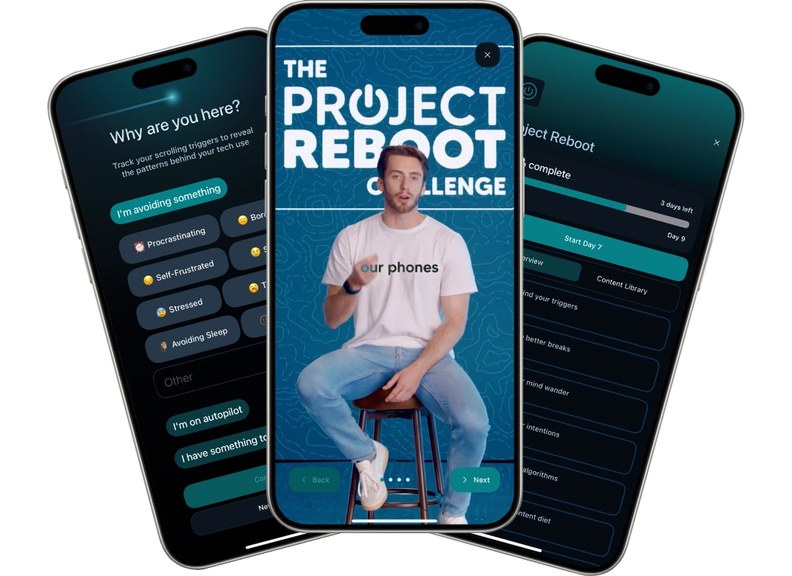
Our science-backed activities build on the momentum from the Keynote by engaging students in collaborative discussions. Each classroom activity is 30-45 minutes long, and teachers can easily facilitate them with our detailed discussion guides, accompanying slideshows, and all of the additional resources listed below:
03
Empowerstudents to drive culture change
Student leadership support · Ambassador network · Club creation kit
A lasting change to campus culture has to come from within the student body. We provide passionate students with clear calls to action so that they can become drivers of long-lasting culture change. They can submit Screen Time Stories, lead Side Quests, become Project Reboot Ambassadors, and become Project Reboot Youth Mentors.
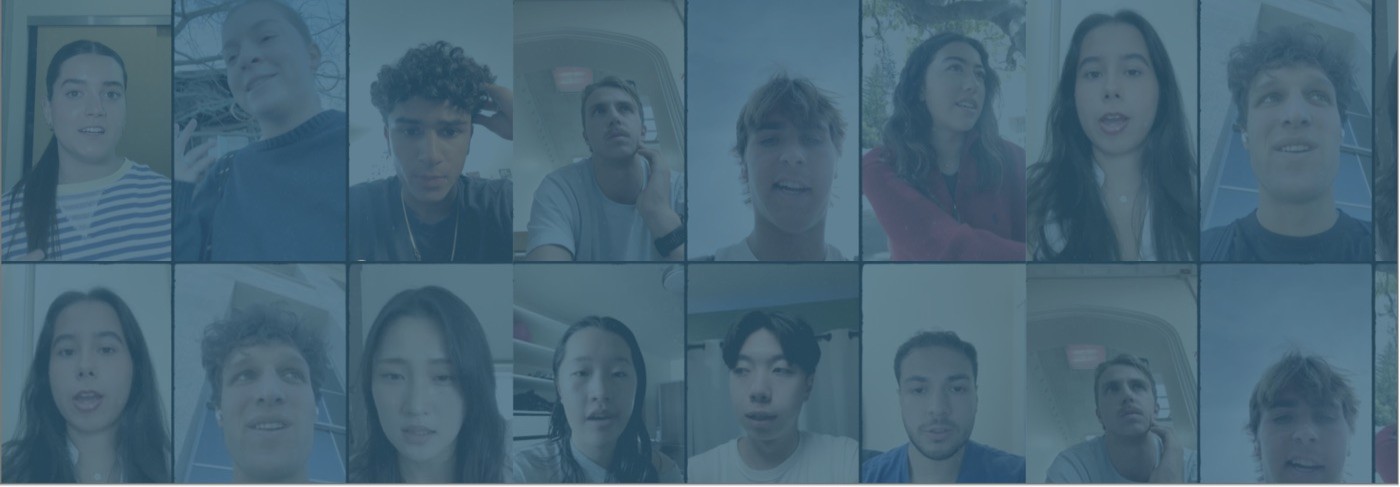 Screen Time Stories
Students record short videos about their own relationship with technology, and their perspectives are shared nationally.See the stories
Screen Time Stories
Students record short videos about their own relationship with technology, and their perspectives are shared nationally.See the stories
 Side Quests
A monthly challenge that gets students doing something worth doing instead of scrolling, then sharing it with the network.See Side Quests
Side Quests
A monthly challenge that gets students doing something worth doing instead of scrolling, then sharing it with the network.See Side Quests
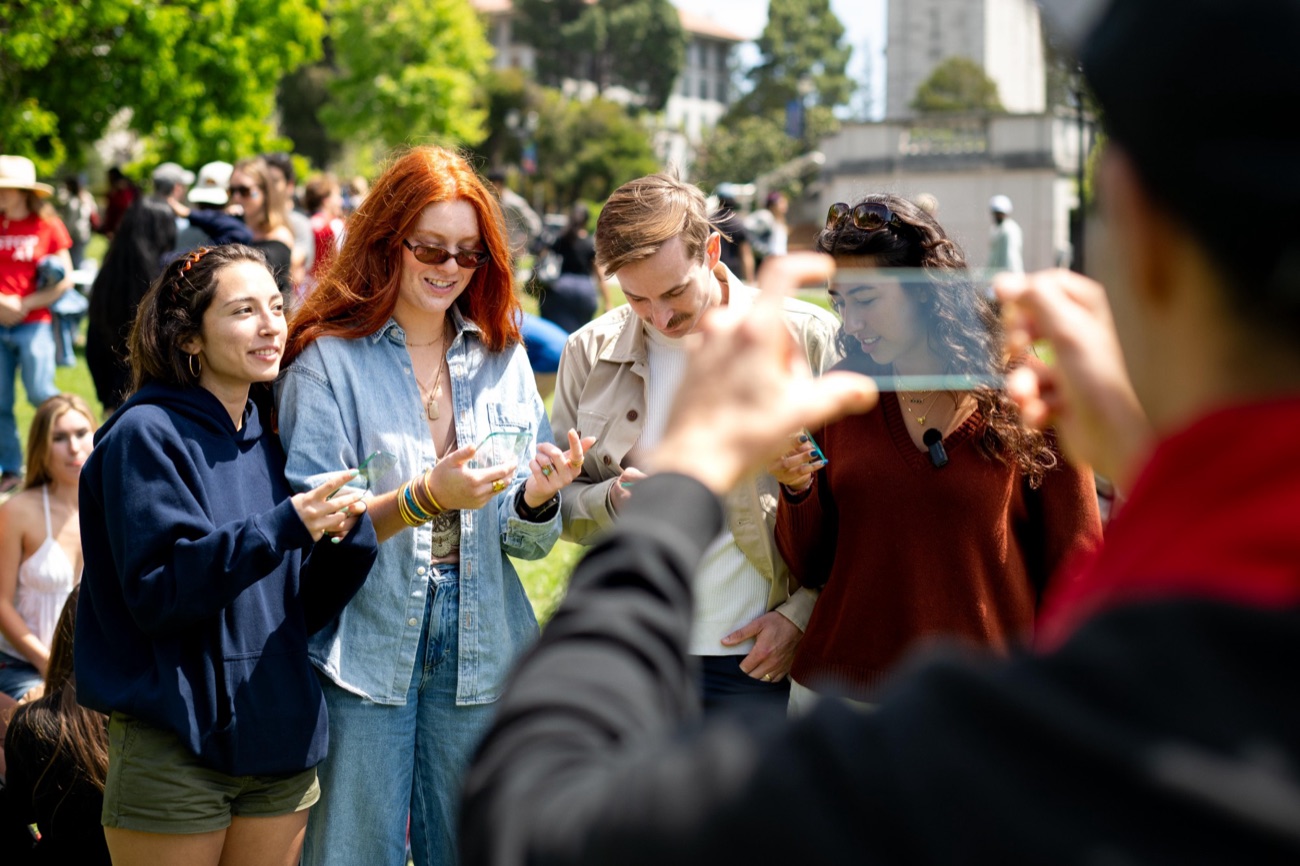 Youth Ambassadors
Any student can join the national coalition of trained leaders who run events and promote tech intentionality on campus.Become an Ambassador
Youth Ambassadors
Any student can join the national coalition of trained leaders who run events and promote tech intentionality on campus.Become an Ambassador
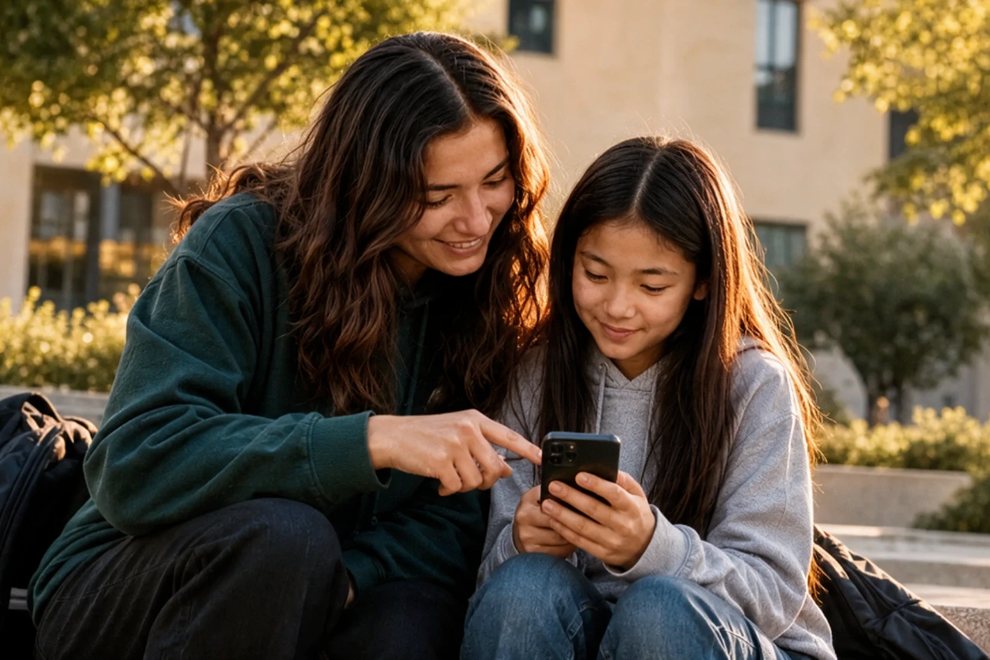 Youth Mentorship
Certified Youth Mentors walk younger students through their first device and first social accounts.Become a Youth Mentor
Youth Mentorship
Certified Youth Mentors walk younger students through their first device and first social accounts.Become a Youth Mentor
Answers for administrators
What grade levels is this best suited for?
Our sweet spot is middle school and high school, and we always address those audiences separately. In middle school presentations, we focus more on YouTube and video games.
How long is the assembly?
The talk itself is 52 minutes, and we recommend blocking off an hour so students can get settled and ask questions at the end.
Is Clearspace mandatory for students to use?
No, it's entirely opt-in. We always want participation in Project Reboot to be a choice.
Can the classroom activities adapt to our advisory time?
Yes, they're designed to be flexible. Tell us what your time constraints are and we'll send guides that are well-suited to them.
Do you speak on digital citizenship topics such as cyberbullying?
No, we don't. In our experience, it's best to keep those conversations separate from discussions about digital wellness.